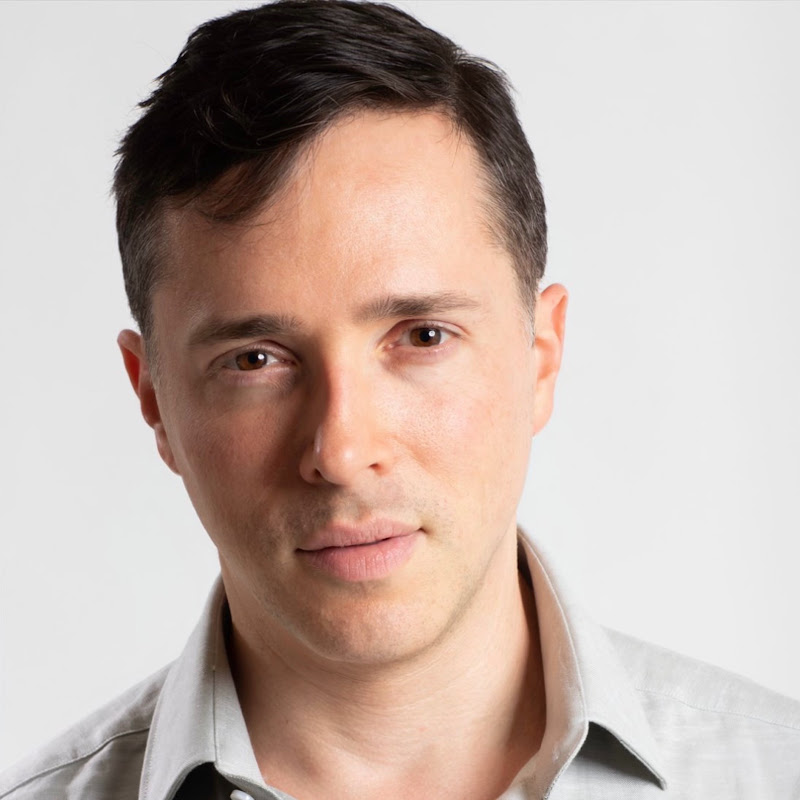
Transcript [00:02] I'm walking through a home that is [00:07] filled with the [00:09] the horrid stench of death [00:13] and the signs of destruction. [00:16] But it obviously used to be a home that [00:18] was filled with love. [00:21] There are books and children's books [00:25] and shoes and clothes thrown strewn [00:29] about. [00:32] The amount of destruction that happened [00:33] here to this family [00:37] who was killed in horrible ways. [00:44] There aren't really many words that I [00:46] can use to describe [00:50] the grief of understanding what happened [00:52] to them. [00:55] Especially as I speak with their friends [00:58] and their relatives who survived, who [01:00] received the last messages, [01:03] the messages of help, [01:05] the warning messages saying that people [01:08] were coming, that terrorists were [01:10] coming, that terrorists were coming [01:11] closer, and that the terrorists were [01:13] getting closer and closer [01:16] until those last messages were those of [01:18] help. [01:20] And finally, messages saying that they [01:22] understood that this was the end. [01:25] that this is goodbye and to please send [01:27] messages of love to all other family and [01:30] friends. [01:35] Those were the last messages sent from [01:37] this family here. [01:39] And now I stand in their home and I say [01:44] prayers to them for them in honor of [01:48] them. [01:52] Where I'm standing now in Kibutzberry [01:55] used to be a place where children will [01:58] play. You see hula hoops. This was a [02:01] yard between homes where the children [02:04] and the families would gather together [02:06] and have barbecues together with their [02:09] houses one next to the other. [02:13] And now this is a graveyard. [02:28] [sighs] [02:32] I'm walking through a graveyard that [02:34] used to be [02:36] a family's castle when your home is your [02:40] castle to [snorts] invite people and [02:43] have dinner parties. [02:47] There are bombs overhead right now that [02:49] are still falling. [03:01] I know what it is to enjoy your home, to [03:06] make the most of your life. [03:10] And now I'm walking in a place where [03:11] people used to do that, [03:14] but their lives were taken from them [03:16] brutally. [03:18] And in hearing the stories of the [03:20] surviving relatives of this family, [03:23] the messages that were coming through, [03:27] the last messages especially [03:30] was a message [03:33] was a message asking to send that last [03:36] message of love to all they knew and [03:38] loved and that that was goodbye. [03:42] Here in Kibutsbury, [03:44] we look at destruction. There's [03:46] destruction everywhere. And on each [03:49] home, you saw the IDF mark on the homes [03:52] who was there. They were searching for [03:55] lives, who was alive, who was still [03:57] alive. What is tragic is that most of [04:00] these people were no longer alive. The [04:02] amount of people who were taken hostage [04:04] if they were alive and injured. [04:08] It's very hard to look at this [04:09] destruction, to look [music] at [04:10] everything that I'm seeing in the [04:12] background. people's homes, people's [04:13] lives. People who treated their home as [04:15] their castle to see their books, their [04:17] clothes, the baby clothes, the [04:20] children's books, the kitchens filled [04:22] with food. [04:24] And now this feels like I'm walking [04:26] through a graveyard. And up ahead we [04:29] have helicopters and jets that are still [04:32] flying because this is an active war [04:34] zone. An active war zone in what used to [04:37] be a beautiful, serene place to live. [04:41] That is Kibutz Berry. [04:45] I'm back in Karaza, a place where I [04:48] haven't been since, oh gosh, what year? [04:52] Maybe 2019, 2018. [04:56] Um, [sighs] [04:57] I first came here when I was invited by [05:00] my friend Dir Listein, who I met through [05:03] the Jewish National Fund and so many [05:05] other organizations. [05:08] This is his house. This is where I came [05:11] for many dinner parties, way too many [05:14] drinks, and met so many people. I [05:18] haven't been back to Ofir's home until [05:23] now. This home is now trapped on a [05:27] special date, a terrible date of October [05:30] 7. [05:34] Of Libstein was killed here as he ran [05:38] out to defend his family [05:42] and the place where he was shot [05:46] was right out here. He ran out with his [05:48] gun. He ran out with his gun of to [05:51] defend his family to fight back against [05:54] Kamas against the terrorists who were [05:57] coming in. And in the gun battle that he [06:00] was in [06:02] right now, I'm standing in the place [06:04] where Ofir was killed. And you even see [06:07] the gunshot wound, the gunshots into the [06:10] pole and the flag that marks the place [06:13] where my friend Oir was was killed. [06:17] Of was a hero. You know what? He is a [06:20] hero. His memory will always be one of a [06:25] hero who brought life and joy to people [06:28] to [06:30] I'm sorry that I haven't come back or [06:32] seen you since I don't even know what it [06:34] was 2018 2019 [06:38] and I'm here today [06:41] in Aza at your house. [06:46] This entire home was demolished. [06:50] I'm looking at plates, at kitchen wear, [06:56] pots, [06:58] things that manage to not be completely [07:02] destroyed in the fire. [07:06] And as I walk around [07:09] and speak to [07:12] the friends of this family, [07:16] they said that it was even hard to [07:18] identify their bodies because they were [07:20] so badly burnt that they could only [07:23] identify them by their teeth. [08:34] Being in an active war zone [08:37] is not something I wish for anyone. [08:42] having to [08:44] crouch and hide, [08:47] being around this unit that is gathering [08:50] information [08:52] and sharing it with the troops who are [08:54] on the ground in Gaza, trying to bring [08:57] our hostages home, trying to rescue the [09:00] Israelis, the Americans, and the other [09:03] foreign nationals who are still being [09:05] held in Gaza. We're fighting for them. [09:08] We're fighting for the existence of the [09:10] state of Israel. [09:13] We are fighting against terrorism. [09:17] >> These are soldiers who are risking their [09:20] lives fighting for us. We cannot let [09:23] them do this alone. It is imperative [09:26] that we support them. It is imperative [09:28] that we do our part in this fight. This [09:31] is a fight for our existence. And if you [09:33] have not yet woken up about this mere [09:36] fact, you better wake up soon because [09:40] this battle is not only on the border of [09:43] Gaza. We're seeing the war rise up [09:46] around the world. [09:47] >> You can look and see all of these [09:49] different cars and the vehicles here. [09:52] These are the cars in which people tried [09:54] to flee from from the party from the [09:56] music festival. These are cars in which [09:59] people died their last moments. whereas [10:02] RPGs were being fired at them, guns were [10:04] being fired at them, and they were [10:06] burned alive in all of these vehicles [10:08] that you can see even at the distance. [10:12] And people say [10:15] that we have to fight because of this. [10:17] We have to fight because we were [10:19] attacked. We have to fight so people can [10:21] have the parties like the Nova Festival. [10:24] So people can dance again. So we won't [10:27] let the terror stop us. But when we look [10:29] at this, we see the destruction. And it [10:31] is hard to not have two emotions and two [10:34] emotions only.
I was there in the months after October 7— through advocacy work helping Israeli communities and individuals in need, to report on what happened, and to further engage in efforts to support Israelis and the Jewish People.
I walked through the sites of the massacres and saw firsthand the aftermath of evil Islamist terror. I met traumatized survivors carrying unimaginable stories. I met heroic soldiers and security forces risking their lives to fight terrorism, defend Israel, and protect the civilization and humane values that terrorism seeks to destroy. I visited the families and friends of those I knew whose lives were brutally ended.
And I documented some of what I witnessed.
I’m sharing a few of those recordings here.
The battle over October 7 is also a battle over truth. While the world is plagued by vile misinformation and disinformation, too many people have abandoned basic humane values, finding ways to excuse, rationalize, and even support horrifying Islamist terrorism.
What happened must be seen. It must be remembered. And the truth must be defended.
We must stand up for what is right.
Bear witness. Remember the victims. Honor the survivors. Thank the heroic soldiers and security forces. Never look away. And, please stand up and take action for what is right.